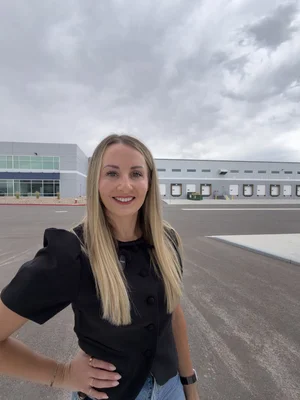
The Best Advisors Walk the Yard
What an Inland Port Taught Me About Industrial Real Estate
I did not expect to spend part of the morning thinking about dairy cows.
Yet that was one of the moments that stayed with me during our recent visit to the Port of Nevada in Fernley.
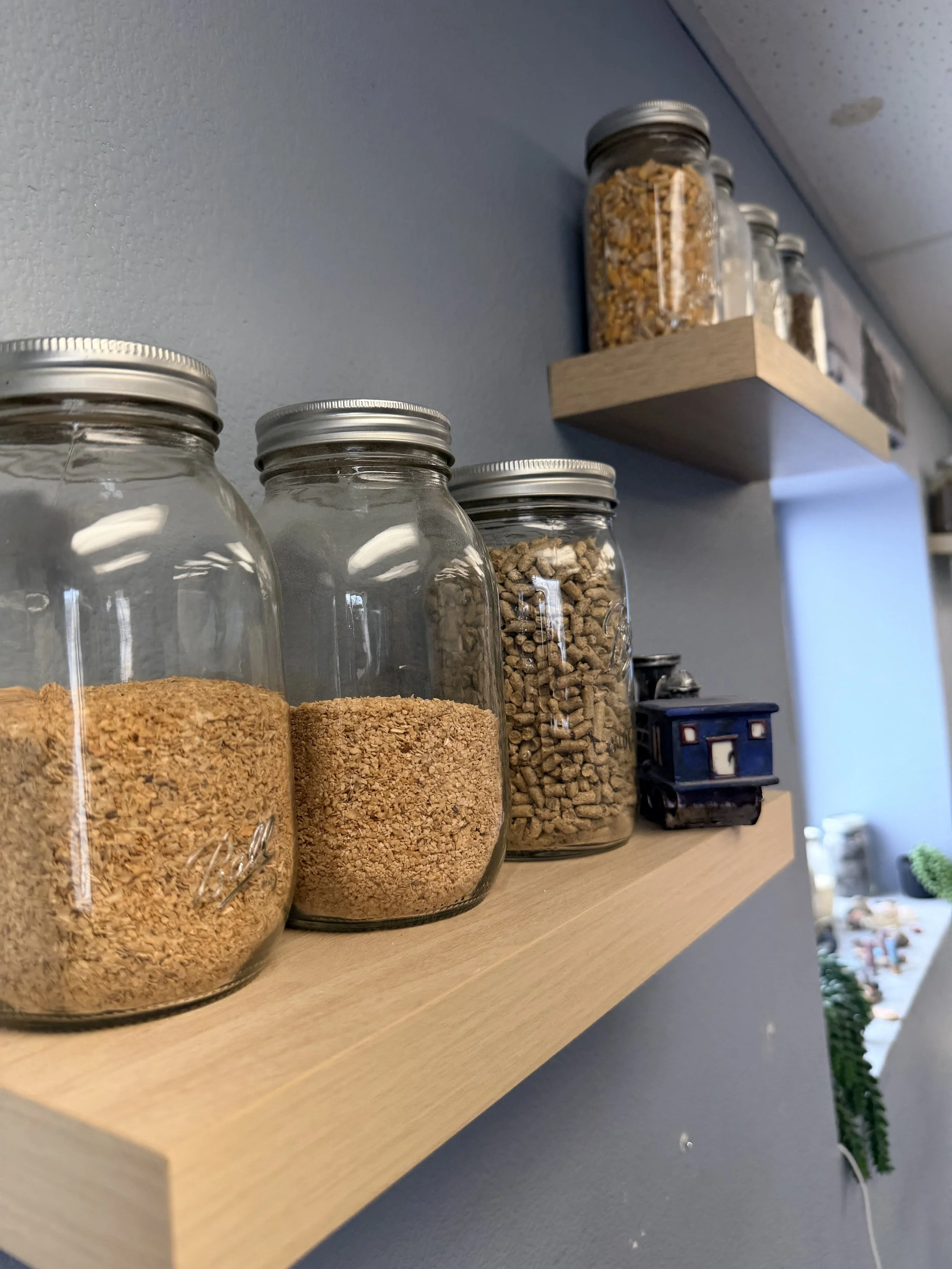
Part of what moves through the facility is bulk feed destined for regional dairies. Standing there, it clicked. I had always associated inland ports with ocean containers, import volumes, and global supply chains. What I had not fully appreciated was how connected these facilities are to the everyday industries that keep our region operating.
That realization is exactly why I took our team.
Not to become rail experts.
Not to become intermodal operators.
But to better understand another piece of the industrial ecosystem that our clients may someday need.
As advisors, our value is not having every answer. Our value is knowing where answers live, recognizing when a solution fits, and having the relationships to bring the right people together.
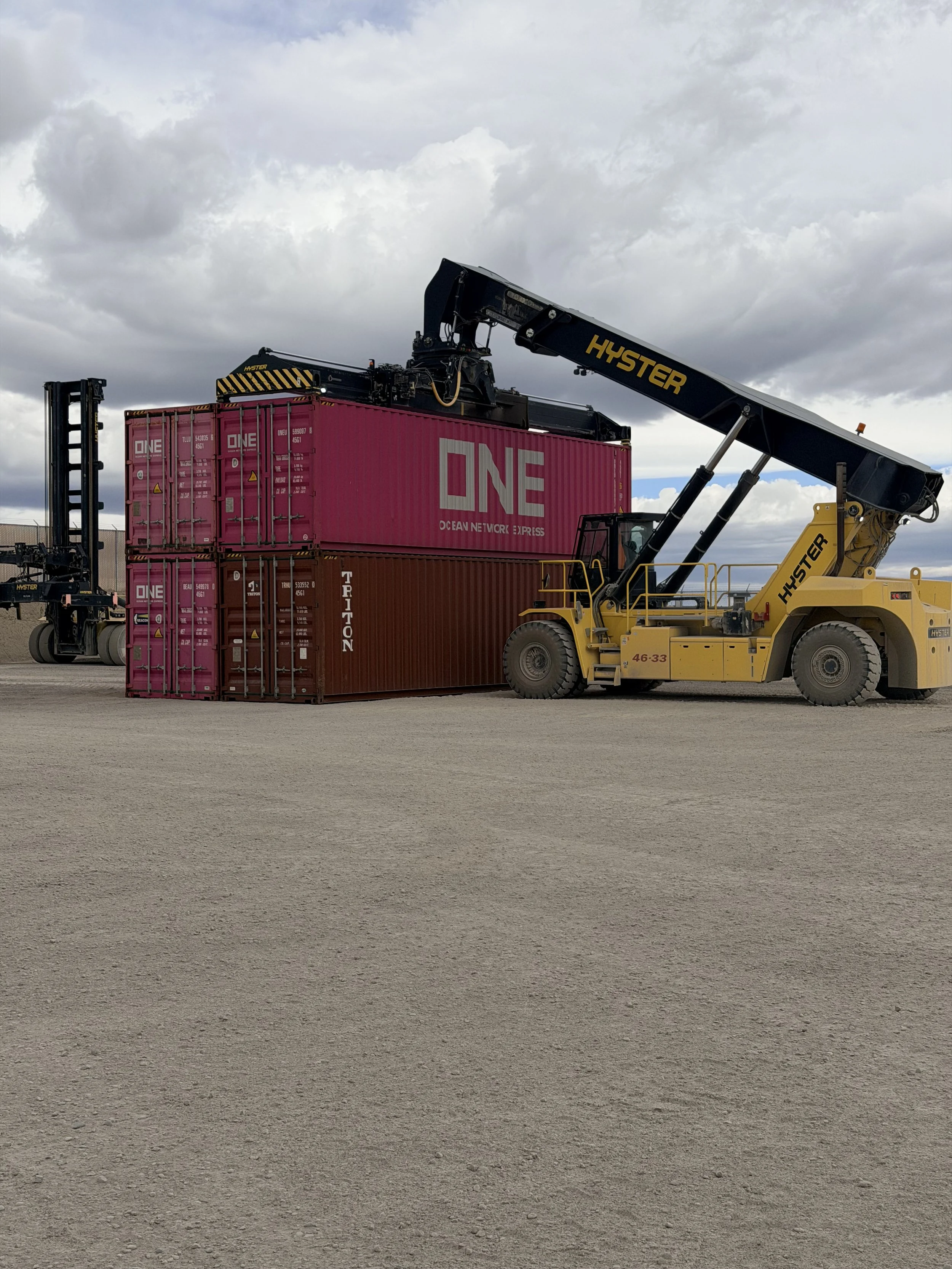
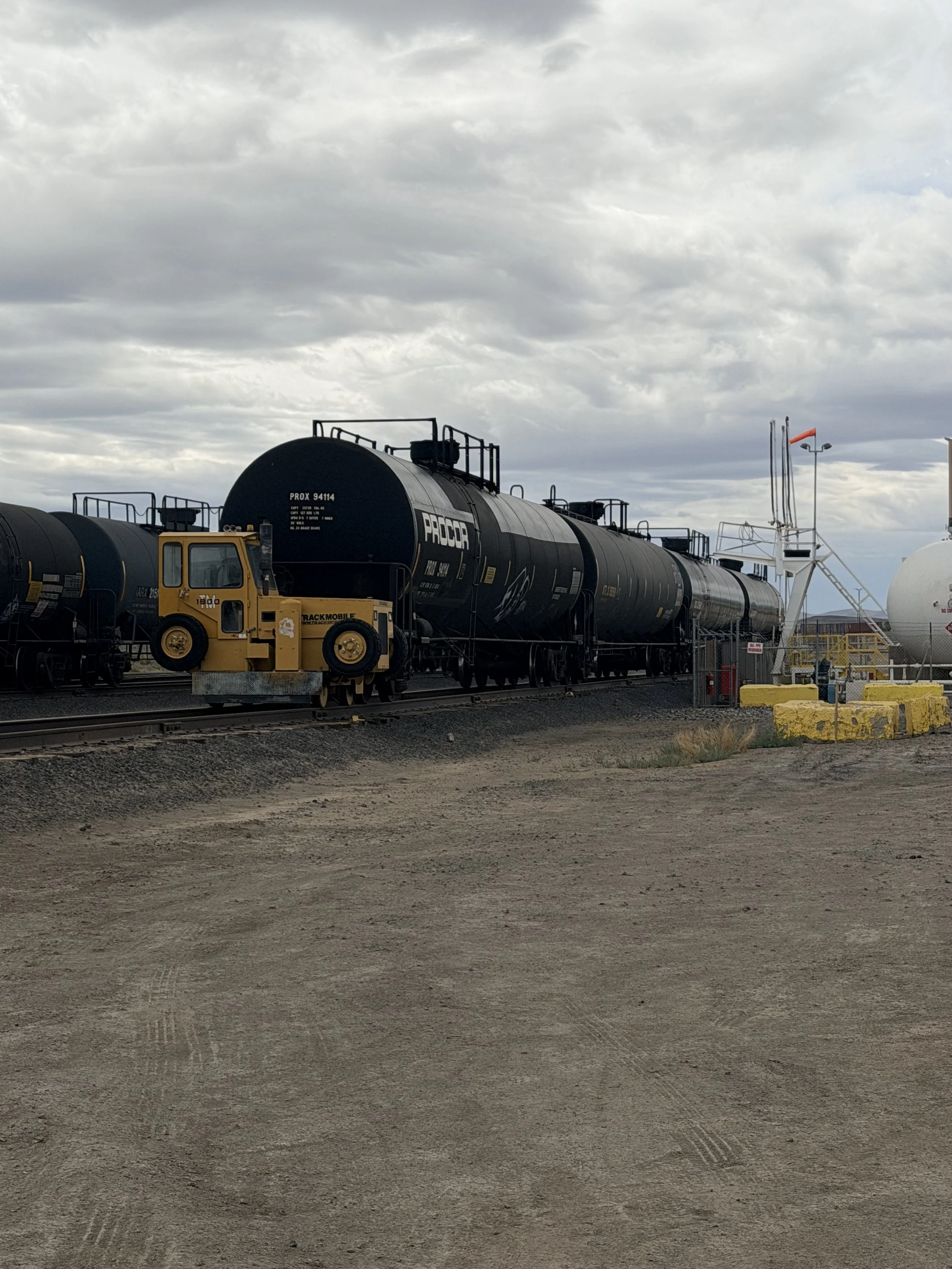
During our visit, we watched a reach stacker pull an Ocean Network Express container from a stack. We stood beside rail cars being moved by a Trackmobile. We walked through rows of containers bearing names most people only see on shipping documents. We toured a newly completed building waiting for its future occupier. Inside the main office, jars of commodities moving through the site lined a shelf as a reminder of the diverse products that pass through Northern Nevada every day.
Reading about an inland port is one thing.
Walking the yard is another.
What struck me most was not the equipment. It was the realization that infrastructure decisions often happen long before a company signs a lease.
For the right operation, rail access, transload capabilities, foreign trade advantages, and proximity to transportation networks can significantly influence supply chain strategy. For many companies, those factors may not matter at all.
Knowing the difference and identifying it early is part of our responsibility as advisors.
The Port of Nevada offers several characteristics that make it particularly relevant for certain users:
Access to both Union Pacific and BNSF rail service.
Foreign Trade Zone capabilities.
Onsite transload operations.
Direct rail connections to the Port of Oakland.
Development opportunities for companies seeking rail-served facilities.
I am not going to pretend to be an expert in drayage economics, customs strategy, or rail operations. Those disciplines belong to specialists who spend their careers in those areas.
A good advisor understands the edges of their own expertise.
Our role is to ask better questions, recognize opportunities, understand when infrastructure matters, and connect clients with the people who know these systems best.
That is what site selection really is.
The rent number is often the easiest part of the conversation.
The greater value comes from understanding what surrounds a building, who operates the infrastructure around it, and whether those factors change the equation for a particular company.
As industrial real estate continues to evolve, I believe our responsibility as advisors evolves with it. We have to understand not only buildings, but also the transportation networks, utilities, infrastructure, and partnerships that support them.
That is why we spend time in the field.
That is why we walk the yards.
And that is why I wanted our team to experience the Port of Nevada firsthand.
Because the market is not just buildings and lease rates. It is infrastructure, relationships, and the people who keep both moving.
Amanda Eastwick, SIOR, CCIM, is a Director at Cushman & Wakefield and an Industrial Advisor specializing in occupier strategy, site selection, and lease negotiation across the Western U.S. She is the Founder and President of WILD, Women in Industrial, Logistics & Development. BS.146113